
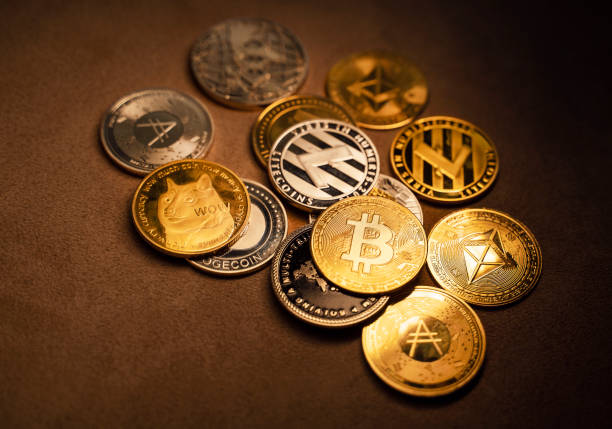
I was staring at my phone at 2:17 AM, again, telling myself this was the last refresh. It never is. That’s usually how I fall into watching altcoin price trends without even planning to. Bitcoin does its thing, sure, but altcoins are where emotions go wild. They move like they drank three energy drinks and skipped dinner. Fast, unpredictable, sometimes impressive, sometimes painful.
I used to think altcoins followed logic. Now I think they mostly follow vibes. Not all the time, but enough that you notice.
Why Altcoins Feel Like Side Characters That Suddenly Steal the Show
Bitcoin is like the main character who shows up on time and delivers predictable lines. Altcoins are the dramatic side characters who might steal the scene or completely ruin it. That’s part of the appeal.
I remember back in 2021 when random tokens were pumping for reasons that made zero sense. A logo redesign, a Discord AMA, or sometimes literally nothing. People joked that the market was being run by vibes and caffeine. They weren’t wrong.
There’s a niche stat that floats around trading circles that nearly 65 percent of altcoin volume spikes happen outside traditional market hours. Late nights, weekends, holidays. Basically when people are bored and scrolling. That alone tells you something about how sentiment-driven this space is.
Patterns Exist, Even If They’re Messy
Despite the chaos, patterns do show up. Not clean textbook ones, but messy human ones. When Bitcoin goes sideways for too long, people get restless. They want action. That’s usually when altcoins start getting attention. It’s like sitting in traffic and suddenly deciding to take a risky shortcut just to feel movement again.
I’ve noticed that smaller caps react faster to narratives than fundamentals. A trending topic on X can move prices quicker than an actual product update. That sounds ridiculous until you remember markets are made of people, not spreadsheets.
And yeah, I’ve chased those moves before. Sometimes it worked. Sometimes I learned expensive lessons. Mostly the second one.
Social Media Is Basically the Weather Forecast
If you ignore social media, you’re trading blind. I’m not saying believe every influencer with a laser-eye profile picture, but mood matters. When timelines are full of sarcasm, memes, and self-deprecating jokes, that’s usually a bottom-ish vibe. When everyone suddenly becomes a genius, that’s when I get cautious.
Reddit gets weirdly honest during downturns. Telegram gets quiet. Discord fills with coping humor. All of that feeds into how altcoins behave.
There was a phase where every second tweet had last season confirmed. That phrase alone should be a contrarian indicator at this point.
Altcoins and the Illusion of Easy Money
Altcoins make things look easy. That’s the trap. A 20 percent move in a day feels normal here. In traditional markets, that’s headline news. In crypto, it’s Tuesday.
This speed messes with your brain. You start thinking in multiples instead of percentages. That’s when risk management quietly leaves the room. I’ve been there, convincing myself a dip was healthy when it was clearly a warning.
Real talk, most altcoins don’t make it long term. That doesn’t mean you can’t trade them, but believing every project is the next big thing is like believing every indie band will be world famous. Some will. Most won’t.
Why Context Matters More Than Charts Alone
Charts show price. Context shows why. An altcoin pumping during a strong market feels different than one pumping while everything else bleeds. One is momentum, the other is probably manipulation or short-term hype.
I’ve started paying more attention to relative strength. Which altcoins hold value when the market dips? Which ones collapse instantly? That behavior matters more than flashy pumps.
There’s also a weird seasonal effect. Historically, altcoins tend to outperform after long periods of Bitcoin dominance. It’s not guaranteed, but it shows up often enough to be noticeable.
My Dumbest Mistake, Because Why Not Share It
I once held an altcoin purely because I liked the community memes. No joke. They were funny, self-aware, and didn’t promise the moon. I told myself that it meant a strong culture. Turns out culture doesn’t stop selling pressure.
I sold late, learned my lesson, and now I treat communities like seasoning. Nice to have, not the main meal.
Still, I don’t regret paying attention. Watching altcoin price trends over time teaches you patience, even if it doesn’t feel like it at the moment.
Why I Still Care Despite the Stress
Altcoins are stressful, yes. They’re also fascinating. They show raw market psychology without filters. Fear, greed, hope, denial, all playing out in real time.
You can literally watch sentiment shift within hours. A project loved in the morning gets roasted by night. That kind of volatility isn’t just financial, it’s emotional.
But if you step back and observe instead of react, you start seeing cycles instead of chaos.
I don’t trade every move anymore. Sometimes I just watch. That alone improved my decisions more than any indicator.